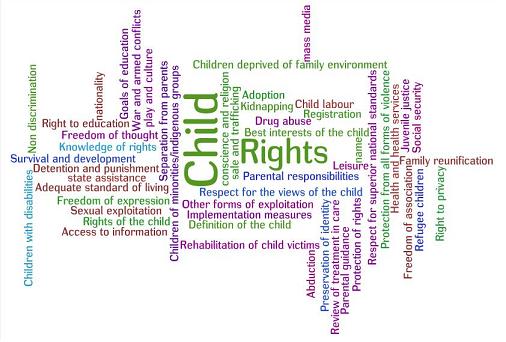
How to give children the vote

The right to vote is an inherent right of all citizens, and the first and most important marker of the capacity to participate in the setting of social priorities.

Children should be given that right from birth. But until they reach the age of majority it should be exercised by proxy with the custodial parent or parents given an extra vote for every child under their guardianship.

Continue reading “How to give children the vote”

Three policies to promote the dignity and rights of children

On April 19th 2012 I made a presentation called “Promoting the dignity and rights of children” to the Dignity for All campaign summit held in Ottawa Canada. The presentation offered three policy recommendations to the Federal government that if undertaken would improve the well-being of children and respect their rights as citizens.

Continue reading “Three policies to promote the dignity and rights of children”

The ten trends that have shaped the last century, and that will shape the next

Ten forces have defined how we have lived our lives during the last one hundred years, but the “rights” revolution is at their core and will shape how we live the next hundred years.

Daron Acemoglu, the MIT labour economist and co-author of Why Nations Fail, begins a recently released paper on a very personal note: “I write this as I await the birth of my second son.”

Continue reading “The ten trends that have shaped the last century, and that will shape the next”

A youth employment strategy would look like this

Canada’s youth are still waiting.

The 2012 federal budget not only missed the opportunity to create a youth employment strategy, it actually eliminated Katimavik, a program that could have been reoriented, redefined and expanded to meet our labour market needs.

Continue reading “A youth employment strategy would look like this”

“Are We Headed toward a Permanently Divided Society?”

This is the question Isabel Sawhill of the Brookings Institution asks in a tightly written discussion of the factors relating inequality with opportunity.

Sawhill’s answer: “at current levels of inequality in the U.S. it likely does. However, this answer is qualified in several ways.”

Continue reading ““Are We Headed toward a Permanently Divided Society?””